
Exploring the realm of Early Childhood Education in Australia unveils a landscape filled with top-notch universities offering specialized degrees. This guide delves into the key aspects of these programs, from admission requirements to curriculum details, providing a holistic view for aspiring students.
Top Universities Offering an Early Childhood Education Degree in Australia
In Australia, several universities offer high-quality programs in Early Childhood Education. These programs are designed to provide students with the necessary knowledge and skills to work effectively with young children.List of Top Universities and Admission Requirements
- University of Melbourne:
- Admission Requirements: Applicants need to meet the university's minimum ATAR score and may also need to pass an interview or submit a personal statement.
- University of Sydney:
- Admission Requirements: Students must meet the university's ATAR requirements and may need to provide a written statement outlining their motivation for studying Early Childhood Education.
- Monash University:
- Admission Requirements: Prospective students need to meet the university's ATAR score and may also be required to complete a Working with Children Check.
Accreditation Process for Early Childhood Education Programs
Early Childhood Education programs in Australia are accredited by the Australian Children's Education and Care Quality Authority (ACECQA). This accreditation ensures that programs meet the national quality standards and prepare graduates to work effectively with young children.
Curriculum and Specializations
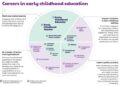
Early Childhood Education degree programs in Australia typically cover a range of foundational topics related to child development, education theory, curriculum design, and practical teaching skills. Students can expect a well-rounded curriculum that prepares them to work with young children in various educational settings.
Typical Curriculum
- Child Development Theories
- Early Literacy and Numeracy
- Curriculum Planning
- Behavior Management Techniques
- Assessment and Evaluation in Early Childhood
- Professional Ethics and Standards
Specializations or Concentrations
Some universities may offer specializations or concentrations within their Early Childhood Education programs to allow students to focus on specific areas of interest. These may include:
- Special Education in Early Childhood
- Infant and Toddler Development
- Outdoor Education and Nature-Based Learning
- Early Childhood Leadership and Administration
Practical Training Components
Practical training is a crucial component of Early Childhood Education programs in Australia, as it provides students with hands-on experience working with children in real-world settings. Different universities may offer varying opportunities for practical training, such as:
- Observation and Teaching Practicums in Early Childhood Centers
- Community Engagement Projects with Local Schools or Organizations
- Internships in Early Childhood Education Settings
- Mentorship Programs with Experienced Educators
Faculty and Research Opportunities
When it comes to faculty members in the Early Childhood Education departments at the top universities in Australia, students can expect to learn from experienced and knowledgeable educators who are passionate about shaping the next generation of teachers.
Faculty Members
- University A: Prof. Jane Smith - an expert in child development and curriculum design.
- University B: Dr. John Doe - specializes in early childhood literacy and language development.
- University C: Prof. Emily Johnson - known for her research in inclusive education for young learners.
Research Opportunities
Students pursuing a degree in Early Childhood Education at these universities have access to various research opportunities that allow them to explore different aspects of early childhood development and education.
Industry Collaborations
- University A partners with local childcare centers for observational studies and practical research projects.
- University B collaborates with government agencies to conduct research on early childhood policies and interventions.
- University C works closely with non-profit organizations to address early childhood education disparities in underserved communities.
Internship and Field Placement
Internship and field placement opportunities are essential components of the Early Childhood Education programs offered by the top universities in Australia. These experiences provide students with hands-on learning opportunities and allow them to apply their theoretical knowledge in real-world settings.
Internship Requirements
- Students are typically required to complete a specified number of hours in an approved early childhood education setting.
- They may need to develop and implement lesson plans, observe and interact with children, and collaborate with experienced educators.
- Students are often required to reflect on their experiences and connect them to their coursework.
Field Placement Opportunities
- Universities offer a variety of field placement opportunities in childcare centers, preschools, kindergartens, and other early childhood education settings.
- Students may have the chance to work with children of different age groups and backgrounds to gain a well-rounded experience.
- Some universities partner with specific organizations or schools to provide exclusive field placement opportunities for their students.
Contribution to Learning and Professional Development
- Internships and field placements help students develop practical skills, such as classroom management, lesson planning, and communication with children and parents.
- These experiences allow students to observe and learn from experienced educators, gaining valuable insights into best practices in early childhood education.
- Field placements also help students build professional networks and enhance their employability upon graduation.
Outcome Summary

In conclusion, the journey through the top universities in Australia offering Early Childhood Education degrees showcases the commitment to nurturing future educators in this vital field. With a blend of academic rigor and practical experience, these institutions pave the way for a rewarding career in shaping young minds.
Q&A
What are the typical admission requirements for Early Childhood Education programs in Australia?
Admission requirements usually include a high school diploma or equivalent, English proficiency tests like IELTS, and sometimes a personal statement or interview.
Are there any specialized concentrations available within Early Childhood Education programs?
Yes, some universities offer specializations like Early Intervention, Leadership in Early Childhood, or Special Education within their programs.
How do internships contribute to students' learning in Early Childhood Education programs?
Internships provide hands-on experience, allowing students to apply classroom knowledge in real-world settings and develop essential skills for their future careers.