
Accreditation Matters: How to Choose Between the Best Online Colleges sets the stage for this enthralling narrative, offering readers a glimpse into a story that is rich in detail with casual formal language style and brimming with originality from the outset.
Exploring the significance of accreditation in online colleges and the factors to consider when selecting the best one is crucial for making informed decisions about your education. Let's delve into the world of online college accreditation and discover the key elements that can shape your academic journey.
Importance of Accreditation in Online Colleges
Accreditation is a crucial factor to consider when choosing an online college as it ensures that the institution meets certain standards of quality and rigor. Without accreditation, there is no guarantee that the education provided by the online college will be recognized or respected by employers or other academic institutions.Reputable Accrediting Bodies for Online Colleges
- The Higher Learning Commission (HLC)
- Accrediting Commission of Career Schools and Colleges (ACCSC)
- Accrediting Council for Independent Colleges and Schools (ACICS)
Potential Consequences of Attending an Unaccredited Online College
Attending an unaccredited online college can have serious repercussions, including:- Lack of transferability of credits to other institutions
- Difficulty in obtaining financial aid
- Diminished job prospects due to lack of recognition of the degree
Factors to Consider When Choosing an Online College
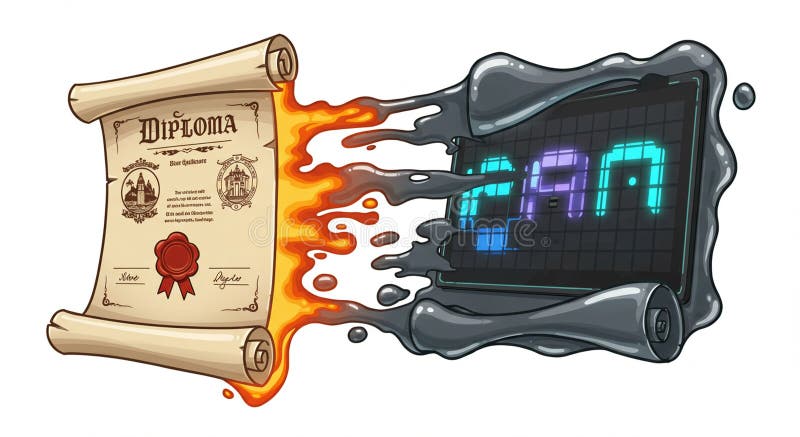 When selecting an online college, there are several key factors that you should take into consideration to ensure you make the best choice for your educational needs.
Program Offerings, Faculty Credentials, and Student Support Services
- Program Offerings: Look for online colleges that offer programs in your area of interest or desired field of study. Make sure they are accredited and recognized for their quality.
- Faculty Credentials: Research the qualifications and experience of the faculty members who will be teaching your courses. Ensure they are experts in their field.
- Student Support Services: Check what kind of support services are available to online students, such as academic advising, tutoring, career counseling, and technical assistance.
Tuition Costs, Financial Aid Options, and Overall Value
- Tuition Costs: Compare the tuition fees of different online colleges and consider your budget. Look for any hidden fees or additional costs that may not be included in the tuition price.
- Financial Aid Options: Explore the financial aid options available, such as scholarships, grants, loans, and work-study programs. Make sure you understand the application process and deadlines.
- Overall Value: Evaluate the overall value of the online college based on the quality of education, reputation, and outcomes for graduates. Consider the return on investment for your chosen program.
Checking for Transfer Credits and Articulation Agreements
- Transfer Credits: If you plan to transfer credits from another institution or pursue further education, verify if the online college accepts transfer credits and the maximum number allowed.
- Articulation Agreements: Look for articulation agreements between the online college and other institutions to facilitate credit transfers and seamless transitions between programs.
Researching Accreditation Status
 When considering online colleges, it is crucial to verify their accreditation status to ensure that you are receiving a quality education. Here are some tips on how to research the accreditation status of an online college.
Verifying Accreditation Status
- Check the college's official website: Most accredited colleges will prominently display their accreditation status on their website. Look for logos or statements from recognized accreditation agencies.
- Use the U.S. Department of Education's Database: The Department of Education provides a database of accredited postsecondary institutions and programs. You can search for the college you are interested in to verify its accreditation status.
- Contact the Accreditation Agency: If you are unsure about the accreditation status of a college, you can contact the accrediting agency directly to confirm their accreditation.
National vs. Regional Accreditation
It is important to understand the difference between national and regional accreditation when researching online colleges.
- National Accreditation: National accreditation is typically granted to vocational or trade schools, online colleges, and for-profit institutions. While national accreditation is valid, it may not always be recognized by all employers or other educational institutions.
- Regional Accreditation: Regional accreditation is considered the more prestigious and widely recognized form of accreditation. Regional accreditation is typically granted to traditional universities and colleges. Credits earned from regionally accredited institutions are more easily transferable and accepted by other institutions.
Accreditation's Impact on Career Opportunities
Having accreditation from a reputable organization can significantly impact the career opportunities available to online college graduates. Accreditation ensures that the education provided meets certain standards of quality and rigor, making graduates more desirable to employers.
Importance of Accreditation for Job Prospects
Employers in various industries often prefer candidates with degrees from accredited online colleges due to the assurance of a high-quality education. This can lead to better job prospects, higher salaries, and increased opportunities for career advancement.
- Accredited degrees are more likely to be recognized and respected by employers, giving graduates a competitive edge in the job market.
- Some professions, such as nursing, education, and engineering, require degrees from accredited institutions for licensure and certification.
- Employers may specifically state in job listings that candidates must have a degree from an accredited college or university, making it a crucial factor in the hiring process.
Industries Where Accreditation Matters Most
There are certain industries where accreditation of the college or university attended can have a significant impact on career opportunities:
- Healthcare: Hospitals, clinics, and healthcare organizations often require employees to have degrees from accredited institutions, especially in fields like nursing and medical assisting.
- Education: Schools and educational institutions typically prefer teachers and administrators with degrees from accredited colleges or universities.
- Engineering: Engineering firms and companies look for candidates with degrees from accredited programs to ensure they have received a quality education.
Employer Perception of Accredited vs. Unaccredited Degrees
Employers generally view degrees from accredited online colleges more favorably compared to those from unaccredited institutions. Here are some reasons why:
- Accreditation is a mark of quality assurance, indicating that the college or university has met certain standards of excellence in education.
- Employers may be wary of degrees from unaccredited institutions due to concerns about the quality and rigor of the education received.
- Having a degree from an accredited college can enhance your credibility and reliability as a job candidate in the eyes of potential employers.
Concluding Remarks
As we wrap up our discussion on Accreditation Matters: How to Choose Between the Best Online Colleges, it becomes evident that the accreditation status of an online college plays a pivotal role in shaping both educational experiences and future career opportunities. By understanding the impact of accreditation, individuals can navigate the vast landscape of online education with confidence and clarity.
Questions Often Asked
Why is accreditation important when choosing an online college?
Accreditation ensures that the online college meets certain quality standards, allowing for transferability of credits and recognition by employers.
How can I verify the accreditation status of an online college?
You can check the accrediting bodies' websites, such as the Council for Higher Education Accreditation (CHEA) or the U.S. Department of Education's Database of Accredited Postsecondary Institutions and Programs.
What is the difference between national and regional accreditation for online colleges?
National accreditation is typically for vocational or technical schools, while regional accreditation is considered more prestigious and widely accepted by universities and employers.