
Embark on a journey to discover the top clinical-based nursing programs near you, offering hands-on learning experiences that shape the future of aspiring nurses. Dive into the world of practical education and explore the key elements that set these programs apart.
Uncover the wealth of knowledge and skills waiting to be gained through immersive clinical-based learning.
Researching Nursing Programs
When it comes to choosing the best clinical-based nursing program near you, thorough research is essential to ensure you make an informed decision. Here are some key steps to help you in your search:List of Reputable Nursing Schools
- University of California, Los Angeles (UCLA)
- University of Pennsylvania School of Nursing
- Johns Hopkins School of Nursing
- University of Washington School of Nursing
Finding Information on Clinical-Based Learning Opportunities
When researching nursing programs, make sure to visit the official websites of each school to gather detailed information about their clinical-based learning opportunities. Look for specifics such as the type of clinical settings students are exposed to, the duration of clinical rotations, and the hands-on experiences offered.
Importance of Accreditation
Accreditation plays a crucial role in selecting a nursing program as it ensures that the program meets high standards of quality and prepares students for successful careers in nursing. Look for programs that are accredited by the Commission on Collegiate Nursing Education (CCNE) or the Accreditation Commission for Education in Nursing (ACEN) to ensure you are receiving a quality education.
Hands-On Learning Experiences
Hands-on learning plays a crucial role in nursing education as it provides students with practical experiences that help them develop essential skills and knowledge needed in their future careers.
By actively engaging in hands-on learning experiences, students in clinical-based nursing programs can apply theoretical concepts in real-life situations, enhance critical thinking abilities, and improve their decision-making skills.
Examples of Practical Experiences
- Performing physical assessments on patients under the supervision of clinical instructors.
- Administering medications and monitoring patient responses to treatment.
- Assisting in wound care procedures and observing different wound healing techniques.
- Participating in patient education sessions to improve health literacy and promote wellness.
Significance of Hands-On Learning
Hands-on learning enhances nursing skills and knowledge by providing students with the opportunity to practice clinical procedures, develop effective communication techniques with patients and healthcare professionals, and gain confidence in their abilities to deliver safe and quality patient care.
Faculty and Facilities
Experienced faculty and state-of-the-art facilities play a crucial role in enhancing the quality of clinical-based nursing programs. The guidance of knowledgeable instructors combined with access to modern equipment creates a comprehensive learning environment for aspiring nurses.Role of Experienced Faculty
Experienced faculty members bring a wealth of knowledge and practical insights to nursing programs. They not only teach essential skills but also share real-world experiences to prepare students for the challenges they may face in their nursing careers. The mentorship and guidance provided by seasoned educators help students develop critical thinking abilities and clinical decision-making skills.State-of-the-Art Facilities
State-of-the-art facilities in nursing programs offer students the opportunity to practice hands-on skills in a simulated clinical setting. These facilities are equipped with advanced technology and medical equipment to replicate real-life scenarios. By working in such environments, students can gain confidence and proficiency in performing nursing procedures before they enter actual clinical settingsSpecialized Equipment for Hands-On Training
Specialized equipment used for hands-on training in nursing programs includes high-fidelity manikins, simulation labs, and virtual reality tools. High-fidelity manikins can mimic various patient conditions, allowing students to practice assessments, interventions, and patient care in a controlled environment. Simulation labs provide realistic scenarios for students to apply their knowledge and skills, while virtual reality tools offer immersive learning experiences for complex procedures.Clinical Rotations and Internships
Clinical rotations and internships play a crucial role in nursing education by providing students with hands-on experience in real healthcare settings. These opportunities allow students to apply their knowledge and skills in a practical setting while working under the supervision of experienced healthcare professionals.Process of Clinical Rotations and Internships
Clinical rotations typically involve students spending a set amount of time at a healthcare facility, such as a hospital or clinic, where they work directly with patients. Internships, on the other hand, are more immersive experiences that usually last longer and may involve additional responsibilities. During these placements, students have the opportunity to observe various procedures, participate in patient care, and collaborate with healthcare teams.Benefits of Real-World Experiences
- Gain practical skills: Clinical rotations and internships allow students to practice and refine their nursing skills in a real healthcare environment. - Develop critical thinking: Working with patients and healthcare teams helps students develop critical thinking and problem-solving skills. - Build confidence: Hands-on experience can boost students' confidence in their abilities and prepare them for the challenges they may face in their future nursing careers.Preparation for Future Nursing Careers
Clinical placements provide students with valuable insights into the day-to-day realities of nursing practice, helping them make informed decisions about their future career paths. By working in real healthcare settings, students can develop a better understanding of the role of a nurse, build professional relationships, and gain practical experience that will benefit them as they transition into the workforce.Last Point
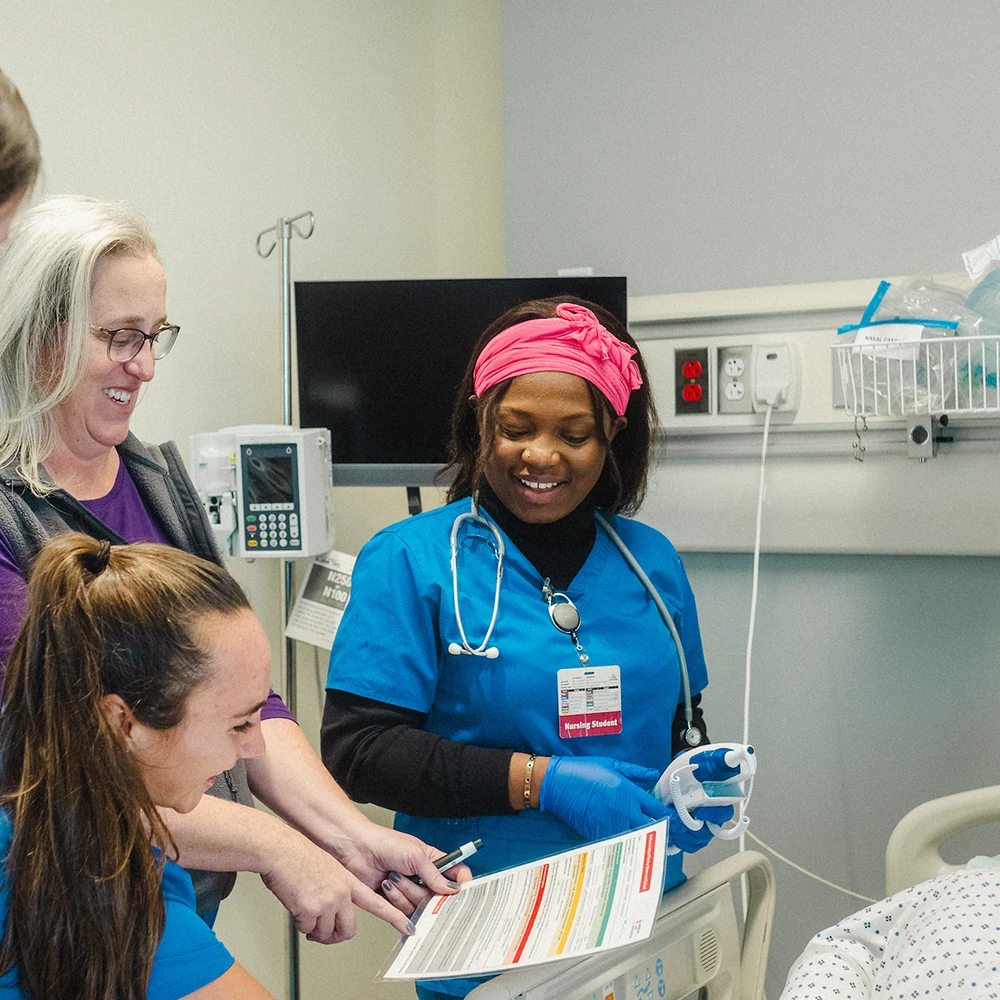
In conclusion, The Best Clinical-Based Nursing Programs Near Me for Hands-On Learning pave the way for a successful nursing career by providing a solid foundation of practical experience and in-depth knowledge. Take the first step towards your dream profession with these exceptional programs.
Question & Answer Hub
How can I find reputable nursing schools in my local area?
You can start by researching online, checking with local hospitals, or seeking recommendations from current healthcare professionals.
What kind of practical experiences can students expect in clinical-based nursing programs?
Students can look forward to hands-on training in simulated healthcare settings, working with real patients, and participating in medical procedures under supervision.
Why is accreditation important when selecting a nursing program?
Accreditation ensures that the program meets quality standards and prepares students for licensure exams and professional practice.
How do clinical placements prepare students for their future nursing careers?
Clinical placements allow students to apply theoretical knowledge in real-world settings, develop critical thinking skills, and build confidence in patient care.