
Exploring the value of an Early Childhood Education Degree and the salary trends in 2026 sets the stage for a compelling discussion. Let's delve into the world of early childhood education and its financial implications.
Detailing the significance of this field and the potential financial rewards can offer valuable insights for those considering this career path.
Early Childhood Education Degree Overview
 An Early Childhood Education degree is a valuable qualification that equips individuals with the knowledge and skills needed to work effectively with young children during their crucial developmental years. This degree goes beyond simply teaching the basics of childcare and education, focusing on child psychology, curriculum development, and classroom management techniques.
Key Skills and Knowledge
- Understanding child development stages and milestones
- Creating engaging and age-appropriate lesson plans
- Effective communication with children, parents, and colleagues
- Implementing inclusive teaching practices for diverse learners
Importance of Early Childhood Education
Early childhood education plays a crucial role in laying the foundation for a child's future success. Research has shown that quality early childhood education can lead to improved academic performance, social skills, and overall well-being in later years. By providing a stimulating and nurturing environment for young children, educators with an Early Childhood Education degree contribute significantly to shaping the next generation of learners.
Salary Trends in Early Childhood Education
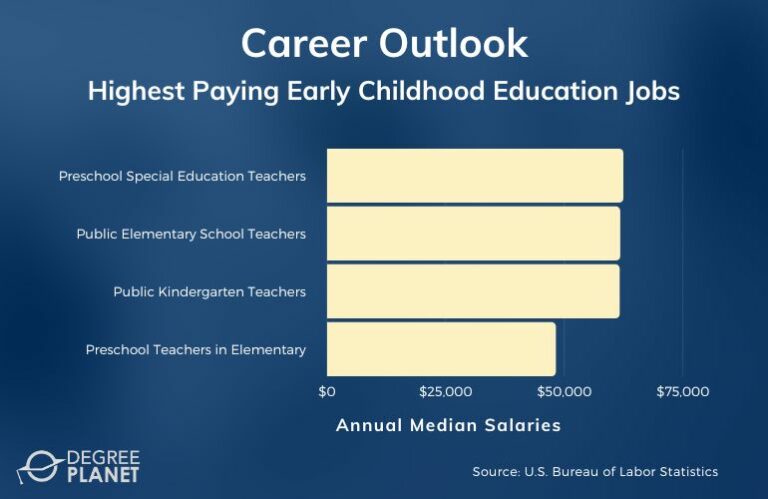
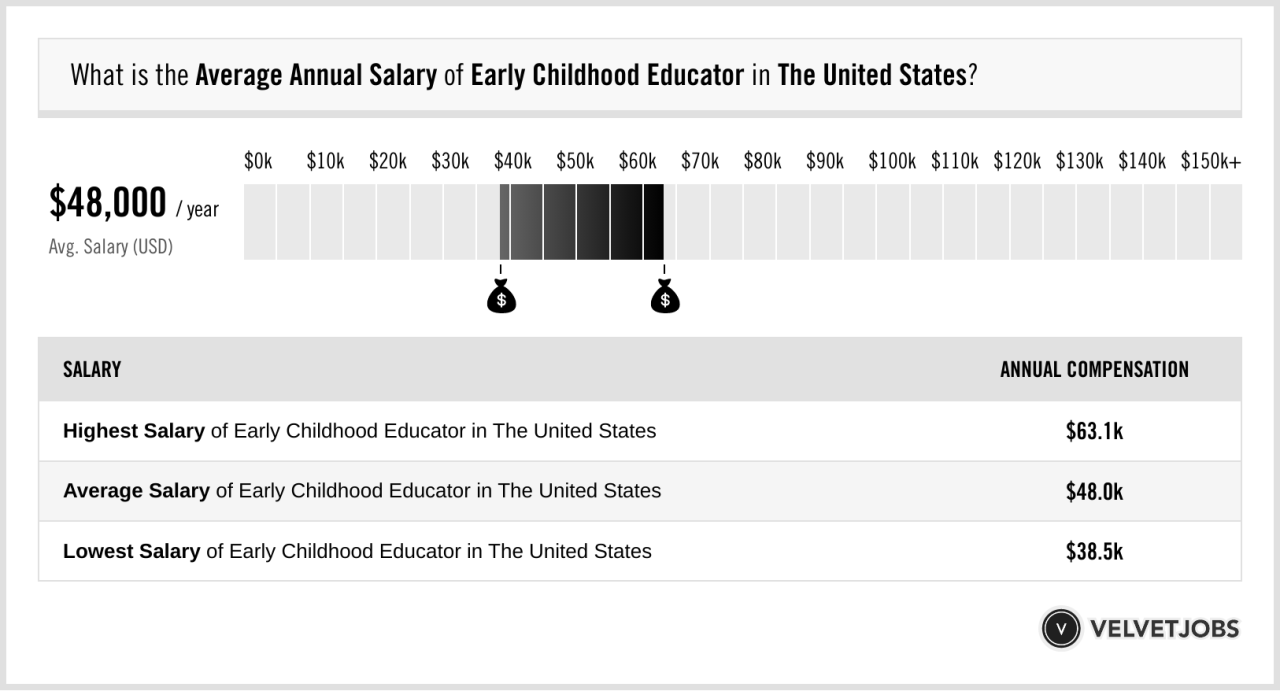
In the field of Early Childhood Education, understanding the salary trends is crucial for professionals looking to enter or advance in this rewarding career path. Let's explore the current salary trends, compare the earnings of individuals with and without a degree in Early Childhood Education, and analyze how salaries have evolved over the years.Current Salary Trends
- According to the Bureau of Labor Statistics, the median annual wage for preschool teachers in 2020 was $30,520.
- For preschool directors, the median annual wage was higher at $48,210.
- Salaries can vary based on factors such as education level, experience, location, and type of employer.
Comparison of Salaries
- Individuals with a degree in Early Childhood Education tend to earn higher salaries compared to those without a degree.
- Having a degree can open up opportunities for higher-paying positions such as lead teacher or director.
- Certifications and additional qualifications can also impact salary levels in this field.
Evolution of Salary Trends
- Over the years, there has been a growing recognition of the importance of early childhood education, leading to increased demand for qualified professionals.
- This demand has influenced salary trends positively, with opportunities for career advancement and higher earnings.
- As the focus on early childhood education continues to grow, salary trends are expected to reflect the value placed on this critical stage of development.
Job Opportunities and Demand
Individuals with an Early Childhood Education degree have a variety of job opportunities available to them in the field. The demand for professionals in the early childhood education sector continues to grow, creating a favorable job market for graduates.
Job Opportunities for Early Childhood Education Graduates
Early Childhood Education graduates can pursue careers such as:
- Preschool Teacher
- Childcare Center Director
- Special Education Teacher
- Child Life Specialist
Demand for Early Childhood Education Professionals
The demand for professionals in the early childhood education sector is driven by factors such as:
- Increasing awareness of the importance of early childhood education
- Government initiatives to expand access to early childhood education programs
- The need for qualified educators to support children's development
Job Market Growth by 2026
According to the Bureau of Labor Statistics, the job market for Early Childhood Education graduates is expected to grow by X% by 2026. This growth is attributed to the rising demand for early childhood education services and the increasing focus on early childhood development.
Advantages of Pursuing an Early Childhood Education Degree
Obtaining a degree in Early Childhood Education comes with numerous benefits that can lead to personal and professional growth.
1. Impacting Young Minds
One of the most rewarding aspects of pursuing a career in Early Childhood Education is the opportunity to positively impact the lives of young children. By providing quality education and care, you can help shape the future generation.
2. Job Satisfaction
Many individuals who have pursued an Early Childhood Education degree report high levels of job satisfaction. The joy of seeing children learn, grow, and develop under your guidance can be incredibly fulfilling.
3. Diverse Career Opportunities
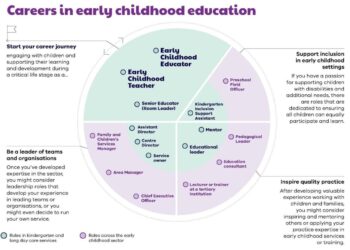
With an Early Childhood Education degree, you can explore various career paths such as becoming a preschool teacher, childcare center director, curriculum developer, or child advocate. The versatility of this degree allows you to choose a career that aligns with your interests and goals.
4. Continuous Learning and Development
Working in Early Childhood Education provides ample opportunities for continuous learning and professional development. As research in early childhood education evolves, you can stay updated on the latest trends and best practices to enhance your teaching skills.
5. Making a Difference in Society
By educating and nurturing young children, you play a crucial role in building a strong foundation for future generations. Your work directly contributes to the well-being of society by fostering early development and learning.
Ending Remarks
In conclusion, the journey through the landscape of Early Childhood Education Degree and salary trends in 2026 sheds light on the possibilities and challenges in this evolving field.
Clarifying Questions
Is it worth getting an Early Childhood Education Degree in 2026?
Yes, with the growing demand for qualified professionals in this field, an Early Childhood Education Degree can lead to rewarding career opportunities.
What are the average salary trends for Early Childhood Education professionals in 2026?
The salary trends show a positive increase, reflecting the value society places on quality early childhood education.
Are there success stories of individuals with an Early Childhood Education Degree?
Yes, many individuals have achieved personal and professional growth by pursuing a career in early childhood education.